
Back 2 Basics: Jar Testing Crop Inputs
A Video Series from AgroLiquid
Why Jar Testing Matters and How to Do It Correctly Before Tank Mixing Crop Inputs
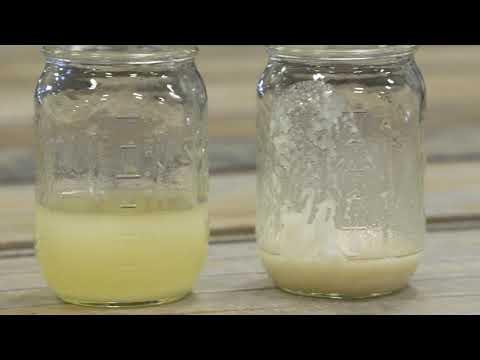

Nearly every crop input label recommends performing a jar test before tank mixing, and for good reason. Jar testing is a necessary precaution that allows you to test product compatibility on a small scale, helping prevent costly problems when it’s time to get into the field.
Why Jar Testing Is Important
Jar testing may feel like one more task before spraying or planting, but it plays a critical role in protecting your time, equipment, and investment. With today’s complex tank mixes and high-cost inputs, the last thing you want is to discover a compatibility issue once you’re already in the field.
Not all fertilizers, chemicals, and adjuvants mix together properly. When incompatible products are combined, they can separate, clump, or form thick residues that slow application, clog equipment, and reduce effectiveness. Jar testing helps eliminate guesswork and keeps operations running smoothly.
Understanding the WALES Mixing Sequence
If you’ve never done a jar test before, one of the easiest ways to ensure proper mixing is by following the WALES sequence, an acronym that outlines the correct order for adding products to the tank.
- W – Wettable Powders or Water-Dispersible Granules
- A – Adjuvants, such as buffers and antifoaming agents (added after agitation)
- L – Liquids
- E – Emulsifiable Concentrates, which are not true solutions
- S – Surfactants, including stickers, added last
Following this sequence helps prevent incompatibility issues and ensures each product has the best chance to mix correctly.
How to Perform a Proper Jar Test for Crop Inputs
Once all products are added to the jar following the WALES sequence, shake the jar for about five seconds, then let it sit undisturbed for 30 minutes. During this time, observe the mixture closely.
You want to make sure:
- The mixture stays in suspension
- Nothing settles out, separates, or precipitates
- The solution holds together consistently
If the mixture remains stable, you’ve successfully tested physical compatibility.
Checking Chemical Compatibility in the Field
Physical compatibility is only part of the process. To confirm chemical compatibility, it’s best to spray a small test area in the field. This allows you to watch for any crop injury and confirm the products perform as expected when applied.
Follow Label Instructions and Protect Your Investment
Always follow label directions when mixing and applying crop inputs. Proper jar testing helps protect not only your crop, but also your equipment, your time, and your financial investment.
If you have questions about jar testing or tank mixing procedures, reach out for guidance before heading to the field.
Sign up for notifications
Sign up to receive an email notification when a new video is available!
